
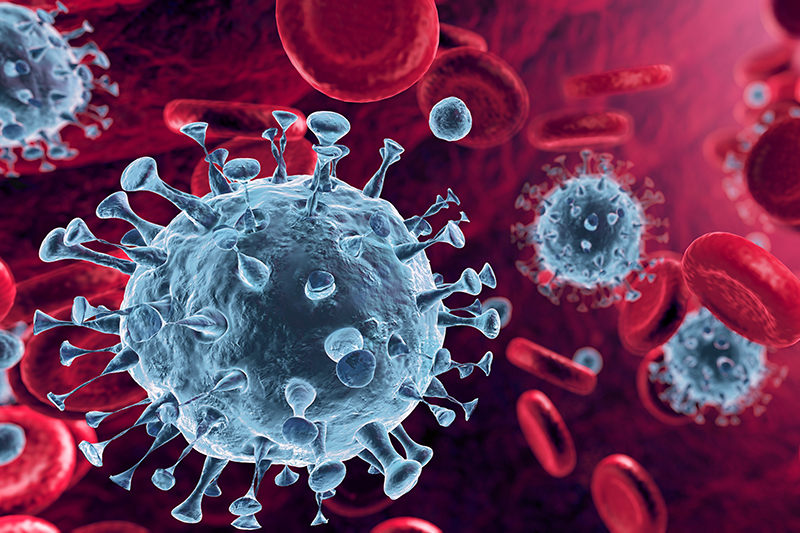
 The coronavirus outbreak known as COVID-19 has been spreading around the world, including the United States. Employers must respond in rapid fashion and face a series of questions regarding the impact the virus will have on the workplace. Below are answers to various questions all companies must know.
What if an employee presents with symptom
 In an article titled “Quick tips for employers as coronavirus outbreak continues,” Greensfelder attorney Amy Blaisdell discusses the steps employers can take as a precaution when dealing with sick employees. From the article:
 The theme for last year’s federal developments was reversal of Obama-era rules. The Department of Labor and National Labor Relations Board were especially active in this respect.
 While Missouri employers saw few legislative updates that will affect the state of employment law in 2020, the Illinois legislature had a busy year. Below is a look at some of the legislative highlights of 2019 and how they might affect your business in 2020.
 Previously
 With the new year fast approaching, millions around the world will be gathering to count down the end of 2019 and usher in a new decade. As the ball drops in Times Square, employers should be asking themselves, “Are my exempt employees still subject to the Fair Labor Standards Act (FLSA) exemption?”
 For months, companies doing business in California have awaited clarity on the final contours of the
  The Department of Labor (DOL) announced its
  Can employers violate employees’ rights by creating policies that prohibit certain hairstyles at work? New York City and California think so; and they likely won’t be the last jurisdictions with a say on the matter.
 Under a new law set to take effect September 29, 2019, Illinois employers will be prohibited from, among other things, asking for an employee’s wage history during the hiring process. The law, which amends the Illinois Equal Pay Act, is designed with the intent of avoiding future pay disparity between men and women based on